The False Divide Between Morality and Politics

The False Divide Between Morality and Politics

There’s a certain kind of intellectual liberalism that mistakes detachment with discernment. That sees neutrality as virtue and discomfort as a failure of reason. That doesn’t acknowledge the need for different tactics during a time of violence than during a time of peace. Listening to Ezra Klein’s conversation with Ta-Nehisi Coates a week or so ago about their difference in perspective related to Charlie Kirk and Klein’s response, I was struck not by any disagreement, but by his unwillingness to join Coates in the conversation he asked him to have. It wasn’t ignorance. It was insulation. The kind that lets someone describe moral collapse as an abstract dilemma rather than a clear and urgent reckoning.

I found myself deeply frustrated by how Klein tried to unwed humanity and decency from what he kept calling “politics,” as if compassion were an accessory to strategy rather than the substance of it, even as Coates provided example after example. The exchange reflected the logic that lets disinformation thrive: not through outright lies, but by reframing truth as subjective. The insistence that everything is up for debate becomes its own form of propaganda. It creates the illusion of fairness while eroding the possibility of clarity.

This is the illusion that feeds disinformation: the belief that civility must be preserved at all costs, even when people are being dehumanized. Klein’s insistence on humanizing, even persuading, those most committed to hate made space for cruelty under the banner of complexity. His stance flattered itself as sophisticated because it refused to take sides. Refusing to take sides in a moral crisis is not neutrality; it is complicity. It’s the kind of analysis that flatters itself as intellectual precisely because it feels nothing. Because empathy has been miscast as bias.

The work my team and I have been doing to map the parallels between the Post-Reconstruction era and the present came to mind as I listened, especially when Coates evoked that history. That first brief window after the Civil War was framed as reconciliation but quickly became reinvention, a reshaping of Black suffering through new terms and tolerances. In the years that followed, the nation performed civility even in the midst of extreme violence: Black legislators assassinated, schools burned, voters terrorized. At the same time, many newspapers adopted the rhetoric of “unity” and “national healing” even as they suppressed or erased demands for racial justice. It was an era obsessed with the optics of peace rather than the substance of justice.

That performance echoes now, dressed in the language of bipartisanship, balance, and bridge-building for which only one side is responsible. The same slight of hand allows disinformation to thrive: a strategic confusion between peace and appeasement. When people in power speak of the “other side” as if the difference is merely perspective, they blur the moral line between harm and discomfort and between those demanding equality and those denying humanity.

Klein’s view suggested that politics must be purely pragmatic. Coates reminded him that pragmatism without morality becomes its own ideology, one that always protects power above all else. His weariness was apparent, reminding us that the exhaustion of trying to remind a country that dehumanization is not a policy position. The idea that we are fully human should not be controversial, especially when hatred is treated as nothing more than a trite opinion, and yet, somehow, it still is.

Coates wasn’t trying to win an argument; he was trying to keep us human. His clarity felt like an act of defense against a culture that prizes cleverness over conscience. As my friend Keron said when we were texting about the episode, they weren’t even having the same conversation. Klein was talking about inputs and tactics; Coates was talking about people. That difference is everything. One measures proximity to power. The other measures the cost of surviving it.

This is the same battle Post-Reconstruction activists fought. It is the struggle Ida B. Wells faced when she named lynching a national shame while politicians urged “patience.” They were told they were being divisive — urged to reach across the aisle to the people burning their homes. The Post-Reconstruction story is not only about failed reform; it is about how America repeatedly chooses the appearance of civility over the practice of justice.

The parallel to the onramp of today’s disinformation wars is unmistakable. When truth itself is treated as partisanship and empathy as weakness, manipulation finds open ground. We are told to debate facts that should be settled and to entertain arguments that are fundamentally inhumane. Propaganda thrives in polite company, protected by the illusion of intellectual balance. Even today’s war on SNAP is an example—the fact that whether or not millions of people, the vast majority of whom are CHILDREN, are elderly, are disabled, or are workers (and many are working full-time for corporations who were given tax incentives to pay so little that we pay again for those workers to subsist) should have access to food. That people should eat and should have a proper runway when benefits are being decimated should not be the issue. How to prevent these situations should be the topic of conversation.

What stands out in Klein’s framing is the treatment of morality as private and apolitical. Yet morality — the belief in the dignity of human life — is what politics is meant to organize around. The idea that the two can be separated is both a luxury and a lie: the luxury of those whose lives are not at risk and the lie that such separation preserves democracy rather than corrodes it.

Post-Reconstruction taught that no system built on selective empathy can endure. Disinformation, then and now, is not only about what people believe but about who they are permitted to stop believing in. The notion that everything is debatable conceals a deeper falsehood — that everyone’s humanity is negotiable.

Drawing a line, as Coates insists, is not the opposite of dialogue; it is the condition for it. Honest conversation requires shared recognition of reality. Naming what is intolerable is the first act of truth-telling. In this moment, that act remains revolutionary.

Truth has a temperature. It is not cool or detached; it burns, humbles, and reveals. Many would rather debate than feel, mistaking analysis for courage. History, from Reconstruction to now, continues to teach the same lesson: the refusal to name wrongs in real time always becomes the preface to something worse.

The work ahead is not only about drawing lines. It is about rebuilding conscience before the illusion of civility keeps us unprepared to fight against the violence that has already started accelerating.

Ceremony as a Love Language

Ceremony as a Love Language

There’s something sacred about the way we do things.

Whether it’s a homegoing, a church service, or a college commencement, Black pomp and circumstance has its own rhythm: a choreography of care, history, and pride.

I thought about it this weekend as I sat in the sanctuary of the church I spent my childhood and young adulthood attending regularly. It was lined with so many flowers I couldn’t see the pulpit from the second pew. As I watched everyone sit on the right side, leaving most of the left open for the family to process in, I started thinking about how we just know. How customs are just rooted and observed through time. There’s an unspoken order to how we show up. A reverence that moves through us like a well-rehearsed hymn.

The same feeling rises at commencement. At Tougaloo, the drums start first — deep, resonant, ancestral — and suddenly we’re connected to something far older than the institution itself. It’s one thing to observe it, but it was a whole different thing to experience it as a graduate myself, trying to keep up with the march across campus to our seats. When I attend commencement to support new graduates, I’m reminded of that feeling but also am grounded in this ritual serving as a thread that ties all of us together over time. And I’m looking forward to feeling that feeling again when I go back for my silver graduation in a couple of years. It’s not just ceremony; it’s continuation. A declaration that our striving and our joy deserve a soundtrack.

In church, it’s the hymns that have survived generations. Sometimes when I sit in my church, I envision Deacon Jones starting the devotional and wish I could hear him call “I know I am a child of God” and wait for us to respond as a congregation. I miss the devotional because it just felt important in my bones. It felt deeply spiritual, and every now and then I sing it to myself, and as I sit here typing, I wonder what healing or comfort it’s providing that I don’t even realize. I can still hear Mother Curlie sing her special version of This Little Light of Mine, wondering if I’d ever be that voice that leads from the pews without ever touching the choir stand. I cherish the way I give countless hugs when I walk in on my way to my seat. I appreciate that when a word hits home, there’s always someone I can look at, and they just get it without me saying anything.

Even in our everyday lives, the rituals are there. The “say thank you” that echoes from moms through the generations, the debates about whether or not fish and spaghetti go together, the connections through memories of fried chicken Wednesdays on varied HBCU campuses, the plastic-covered furniture or the wooden panel walls in your grandmother’s living room that somehow we all reminisce about. The details that shape us, bind us, and make us smile when we realize how universal they are.

Black pomp and circumstance isn’t about extravagance. It’s about intention. It’s how we show love, how we hold history, how we make meaning out of moments both monumental and ordinary. It’s ceremony as language. Beauty as inheritance.

We’ve been curating sacredness for centuries — in our grief, in our joy, in our striving, in our rest. Whether it’s a processional, a praise, or a favorite meal on a particular day, the message beneath it all remains the same:

We matter enough to mark the moment.

Soundtrack of My Life: Total Praise by Richard Smallwood

The Stories that Shape Us: Six Minutes, Dragons, and Big Words

The Stories that Shape Us: Six Minutes, Dragons, and Big Words

I can’t believe it’s been 7 years since I wrote this post about the podcasts Frederick and I were listening to. Back then, we were exploring the joy of shared stories in audio form. Of course, we also watched shows like Yo Gabba Gabba (which came up as a trivia question the other day!) and others as he got older, and we read out loud to each other. Now, those stories have expanded across podcasts, books, and shows—threads that weave together our routines, our conversations, and even the way relate to one another.

Our current car-ride soundtrack depends on what’s happening in the news. Sometimes I start with The Daily or Up First because I think it’s important for him to know what’s going on and to have an opportunity to ask questions or discuss our thoughts before he hears about it or talks about it at school. I want him to have a safe space to be able to process his own thoughts and opinions and to have gentle pushback or validation or whatever else our conversations bring up.

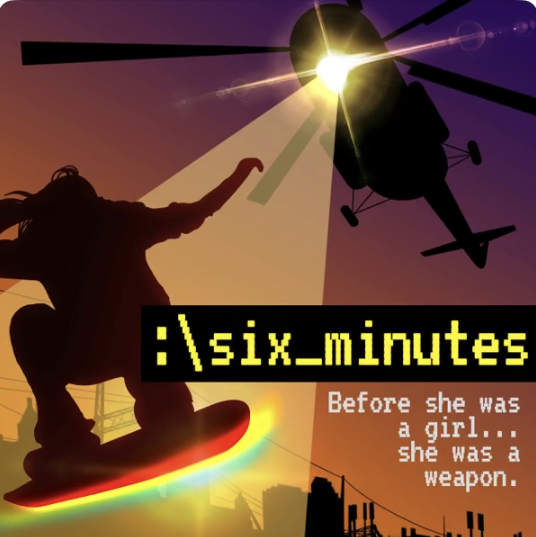
If we have time or if I don’t prioritize the news or politics, our go to podcast right now is Six Minutes. It’s short, interesting, and just the right dose of suspense for our commutes (even though we definitely listen to multiple episodes at a time). Frederick has become a pro at anticipating the plot twists or figuring out the mysteries (just like my mama!), and we get to have “What would you do if that were you?” convos, and my hope is that we’re regularly building blocks for his critical thinking. Also, this morning, because of the plotline, I asked him if he thinks he’d be friends with me if he met me when I was a kid. We had an interesting exchange about that, and of course, I’m also thinking about what I’d think about my parents if I met them at my age (or as kids). Food for thought!

TV wise, we’re watching the How to Train Your Dragon animated series. After watching the live-action movie before school started, Frederick wanted to dive deeper, and here we are. Now it’s part of our evening unwind over dinner. This too has become a jumping point for conversations, and I love that for us.

Of course, books are still a large part of our lives, even though we’re no longer reading out loud to each other. We started listening to Dear Haiti, Love Alaine, and while the story pulled us in quickly, it also got a little heavy sooner than expected. We decided to press pause, a reminder that it’s okay to honor our own pace with stories—especially ones that carry real weight.

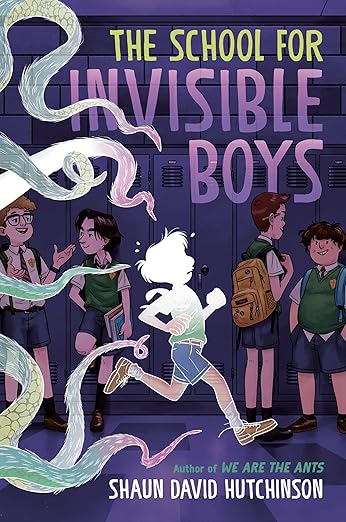
In the meantime, he’s deep in his reading list for his school’s Reading Bowl team. Right now, The School for Invisible Boys has his attention. It’s been so fun to see him stretch his imagination while also honing the discipline of reading with a purpose. The way he breaks down plot points with me—plus the sheer size of his vocabulary at 13—reminds me that all these years of bedtime stories and library trips are bearing fruit.

What I love most is that none of this is just passive consumption. Every book, every show, every podcast has the possibility of sparking a conversation. We talk about fairness, bravery, identity, tough situations, ethics, and so much more. Sometimes the conversations are lighthearted and fun, and sometimes they’re unexpectedly deep. Sometimes they are the gateway to sharing experiences or problems that maybe wouldn’t have been discussed otherwise. Sometimes hearing his general perspective is so insightful. Each one is a reminder that these shared stories are shaping him—and me too.

Parenting doesn’t come with scorecards, but when I hear him pull out a word that makes me pause (words or word combinations I know most adults wouldn’t reach for so easily) or get excited about choosing our next podcast or book, it feels like a quiet nudge from the universe: You’re doing alright. Keep going.

What are y’all reading and/or watching with your kiddos? Let me know!

Soundtrack of My Life: Reading Rainbow

The Burden of Strength

The Burden of Strength

People talk a lot about the blessing of being strong. They call it resilience. They call it beating the odds. They admire how you always get back up, keep moving, keep holding it all together. However, they rarely wonder or ask what it costs.

The truth is, being “the strong one” is a lonely place to live. It means that when life piles on, when your body is tired, when your heart is stretched thin–people assume you’ll handle it. They forget that you, too, need soft places to land. They forget that the defender sometimes needs defending. They forget that you’re human and are sensitive even if you don’t usually wear that sensitivity on your sleeve. They forget that strong doesn’t mean unbreakable.

These days, the weight feels heavier. I’m watching my parents age. I can see their needs growing, and with it my worry: worry that I won’t have enough time, enough resources, enough of me to give. At the same time, I’m raising a teenager. Teen years so far feel complicated and overwhelming. They require an abundance of patience (that I do not always have), guidance, and the kind of steady love that doesn’t waver even when your child pulls away. Doing it alone sharpens the edges of that challenge. There’s no one to trade shifts with. There’s no one to tag in when I’m drained. There’s no one who witnesses what’s going on.to vent to. There’s no one to brainstorm with in moments of strife. There’s no one to carry half the load.

My life feels like it’s becoming a balancing act between generations. I’m trying to give my child wings while also making sure my parents still feel held. And in the middle of it all, I’m trying not to lose myself while I pursue my passions and try to do my part in this world.

The hardest part? Very few people check on the strong ones. They assume we’re fine because we make it look fine. Yet sometimes, we aren’t. Sometimes we’re standing in the kitchen at midnight staring into the fridge, wondering if anyone sees how tired we are. Sometimes we’re smiling through the meeting or the church service or the family dinner, holding back tears because we know if we let them fall, we might not stop. Sometimes we’re biting our tongues when people talk recklessly to or about us because we feel like we have to be the bigger person. Sometimes we want to not be the responsible one who considers everyone else because we never seem to be considered. Sometimes we want to be more (or perhaps less?) than the person held to the highest of standards. Sometimes we want to be given the benefit of the doubt when things go awry. Sometimes *I* just want to feel like someone has my back no matter what.

But alas. Here I am. On a Friday night fighting through my feelings of so very rarely being held with care. And of course, this isn’t a plea for pity because pity is something I can’t imagine being given either. It is, however, a reminder—for me, and maybe for you, too—that strength and softness can coexist. That the strong ones deserve tenderness, too. That it’s okay to admit the load is heavy, to ask for help, to say out loud, “I need care.”

So if you love someone who always seems to have it together, check on them. Handle them with care. Let them know that they matter. They may not say it, but they need it. If you are that person—the strong one—let this be permission to take off the cape for a while. To breathe. To rest. To be held, instead of holding everything. I can’t tell you just how to do that because I haven’t quite figured it out myself. But I do know we deserve it.

Because even the strongest need somewhere safe to rest and recharge before going back out there and being that one.

Soundtrack of My Life: Hear My Call by Jilly from Philly

Coming Home: Family, Freedom, and the Fight Ahead

Coming Home: Family, Freedom, and the Fight Ahead

I hadn’t been home to Mississippi in six months. I need to be here, my birthplace, physically to sit still, hear the rhythms of my people, enjoy the laughter, listen to the familiar voices that know me truly to be reminded of what I’m actually fighting for. To rejuvenate me. To give me even a small reset. I know the pace I keep is unsustainable, and the times we’re entering demand clarity, strategy, and soul. And there’s no place that can revitalize my soul like home.

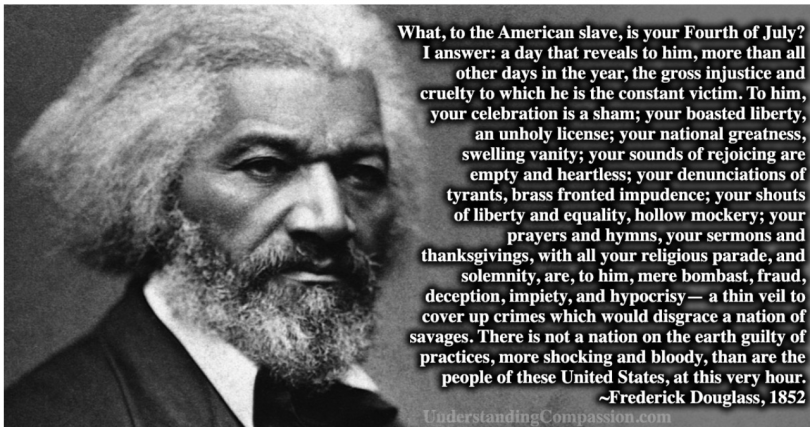
Today is the Fourth of July. Independence Day, they call it. But let’s be real—none of us are truly free. Not now. Not ever. Not with the way things are heading.

Not with the Big Uglazz Bullshit Bill ready to wreak havoc on our communities far and wide. Not with rights unraveling in broad daylight while some folks act like nothing’s happening. Not with a political climate that keeps chipping away at our autonomy, our safety, and our ability to care for ourselves and one another.

While Black communities have always carried the heaviest weight in this country’s unfulfilled promises, this moment feels even more expansive in its harm. The target is broader. The aim is deeper. It’s not just about race. It’s not just about gender. It’s about erasing the very things that make us whole—our bodies, our stories, our families, our agency.

Make no mistake—it’s not just about legislation.
It’s about how policy becomes culture.
How oppression gets normalized in real time.
How the system depends on us being too tired, too overstimulated, too divided, or too disconnected to resist with any real force.

That’s why I had to come home and stay even just a lil while. I needed it physically, spiritually, emotionally, and strategically.

Family is a grounding force. It’s not always easy. It’s not always tidy. But it’s real. In times like these, being rooted in something real is the only way to survive—let alone build something better.

Family reminds us of who we are.
Family reminds us of what’s worth protecting.
Family reminds us that no matter what they legislate, they can’t erase our lineage, our joy, or our collective will.

So I’m preparing. Yes, I’m stocking the pantry. Yes, I’m thinking ahead. But more than that—I’m tending to my relationships. Reconnecting with the people who keep me sane. Laughing with my son. Listening to my elders. Connecting with the folks I know are aligned with my values and vision for the future. Taking inventory of what matters. Restoring the kind of love, trust, and presence that policy can’t touch, but that will absolutely shape how we respond to it.

Because when the storm comes—and let’s be clear, it’s already here in some places—we won’t just need talking points or political analysis. We’ll need each other: whole and ready.

If you’ve been running nonstop, like I have, let this be your permission to pause. Go home. Call your people. Make the meal. Hug the babies. Check on your strong friends. Speak truth. Refill your spirit.

Because freedom isn’t something they’ll hand us. It’s something we build—daily, deliberately, and together. And we are not alone.

If this resonated with you, I’d love to hear what “freedom at home” looks like for you. What are you preparing for—and who are you preparing with?

Soundtrack of My Life: “Optimistic” by Sounds of Blackness

Getting My Fine Back

Getting My Fine Back

There was a time not too long ago when my mornings started with sweat, strength, and community. I would drop Frederick off at school and head to the fitness class of the day. I had rapport with the fabulous instructors, the playlists were bomb, and I spent my mornings with my fellow classmates lifting, stretching, and reclaiming our power before officially starting the day. I had a rhythm. On Saturdays that Frederick didn’t have an activity and I didn’t have a meeting, I’d get up for an 8:00 am Ballet Burn class and stay for a yoga flow right after. For about two years, I was in the groove—working out 4 to 5 times a week, hitting up my favorite classes at a spa that felt more like a sanctuary. The variety kept me engaged, the convenience kept me consistent, the movement kept me sane, and the community of women kept me accountable.

That routine was my anchor. It helped me carry the weight of work and mommyhood with a little more grace, a lot more endorphins, and a stronger back—literally and metaphorically.

Then came the election cycle. If you know, you know.

The chaos of campaign season collided with the chaos of my organization being toppled by its own board. Talk about whiplash. I was burned out, heart-bruised, and stretched thin. My mornings went from Pilates poses, free weights, and cooldowns to crisis management and caretaking. When I was finally able to return to my rhythm, I discovered that my beloved spa was about to get rid of its morning classes—the very ones that had built my consistency.

So I’ve been flailing, if I’m being honest. I’ve been floating between good intentions and the gravity of fatigue. I’ll even admit that personal bruises on my heart haven’t helped either. As a result, for most of this year, I’ve let the fitness part of my life sit quietly in the corner, waiting for me to come back to it, while at the same time, I’ve been letting stress and stagnant energy impact me in ways I can see and feel.

It’s time to do something about that.

I met with a dietitian about a week ago who gently let me know that I don’t eat enough. (Imagine that—trying to do all the things on a nearly empty tank.) I’m looking forward to working with her to create new habits that help me with my wellness goals. I’m learning to nourish myself better, not just with food, but with grace and planning. I’m making time to walk 3 or so miles before work some days ( I walk from my office to Arden’s Garden for a healthy breakfast and back) and I’ve started going back to class on Saturdays (again, when my schedule allows). It’s not five times a week—not yet—but it’s something. And that something is my gateway to finding a new rhythm.

This isn’t a “new year, new me” post. This is a mid-year memo to myself: Your body deserves consistency, not punishment. Your peace needs movement. Your joy lives in strength.

So I’m recommitting to my health, my energy, my fine. Not just the fine people see, but the kind of fine that makes me feel powerful in my skin again.

Baby steps. But I am stepping.

I share these 30 second time lapse videos in my IG stories after a workout with a song from the day’s playlist that resonated. Motivation for me and several of my followers to get up and move!

Soundtrack of My Life: I’m the Largest

(a lil explanation: I actually am the largest I’ve ever been in my life, AND this song with its beat and lyrics and flow helped me with my mental strength to keep going this morning in Ballet Burn when my muscles were screaming girl, whet is we doing and why?!)

The Truth We Owe Each Other

The Truth We Owe Each Other

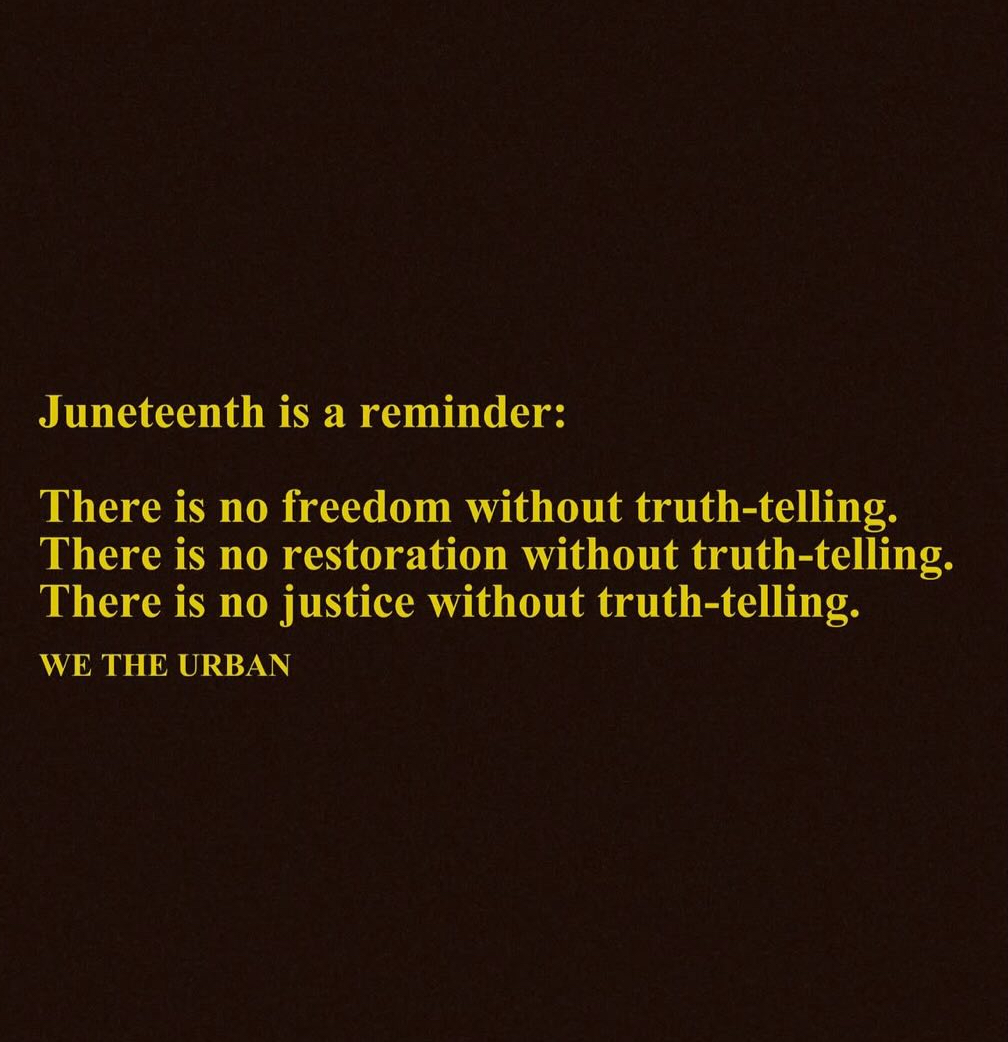
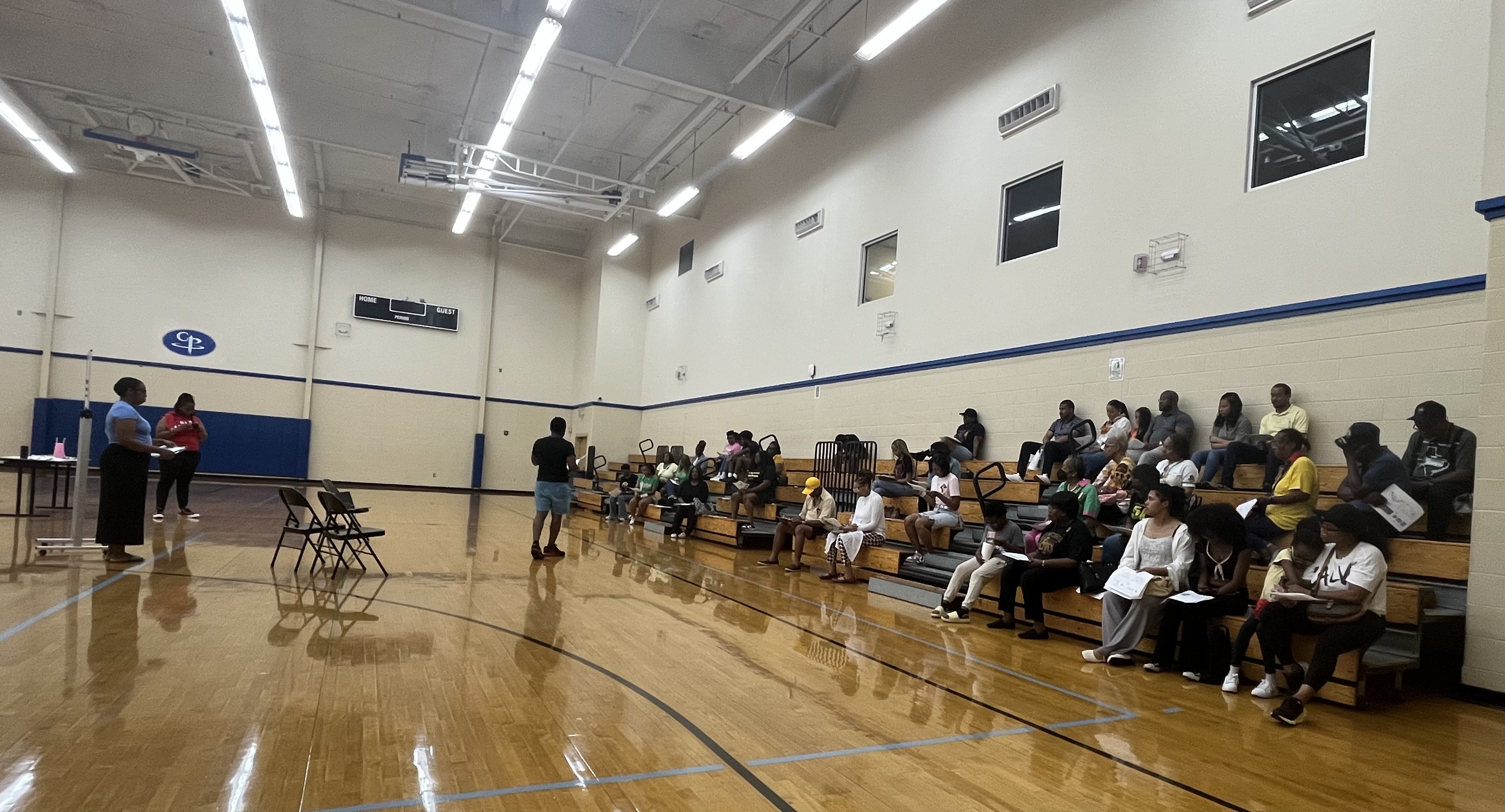
I’ve walked into the Tracey Wyatt Recreation Center more times than I can count, but today hit different. We were there for Part 2 of We the People, our intergenerational civic engagement series, and the room felt alive with purpose. Juneteenth reminds us that freedom is not just won—it’s passed down. But in order to pass it down, we have to first be able to tell each other the truth.

Today, we told the truth about disinformation, distrust, and the divides that make it harder to move as one AND provided training on how we can help the people we care about move closer to the truth when they believe false narratives. We began something sacred: the work of repairing what’s been splintered, of listening across generations, of building a bridge wide enough to carry us all. Not just toward the ballot box—but toward each other.

Disinformation isn’t new, but its tools have evolved. Today’s lies come wrapped in algorithms, delivered through funny memes and passionate hot takes, and sent straight to our loved ones’ phones. However, the impact is deeply familiar: confusion, mistrust, and division. What we know, though, is that we are more likely to believe people we care about. According to a 2024 survey by the Majority Institute, 75% of Georgians say they trust their family members and 60 percent say they trust their friends over all other messengers. That’s why this work matters.

Our We the People series is designed to help everyday people communicate more effectively with the folks around them. What we did today wasn’t just teach digital literacy—it was soul work. We helped each other name the harm, then offered tools to heal it. We’re not here to shame people who have adopted harmful narratives–we want them to leverage the trust they already share to inch them closer to the truth. Combating disinformation is less about winning arguments and more about staying connected long enough to tell each other the truth with love.

Juneteenth has always been a reminder that truth delayed is freedom denied. The very origins of the holiday are rooted in disinformation—an intentional withholding of emancipation news for more than two years after it was law. Black people in Galveston kept laboring and surviving under the weight of a lie. While the context has changed, the tactic has not. Today, our communities are still battling distorted truths—about our power, our history, and our future.

Disinformation isn’t just a political weapon—it’s a spiritual one. It clouds our discernment and limits our ability to imagine what’s possible. It isolates us from each other by breeding mistrust, and it dims the collective light we need to organize, vote, and build. That’s why this work—naming the lie, speaking the truth, and doing it in love—is so sacred. It’s not about “fact-checking” in the narrow sense. It’s about continuing the fight for freedom.

I left today feeling so fulfilled because even in the heaviness of thinking about how to “confront” people we love with hard truths—joy showed up. The event took place alongside a festival, where there was music and food and games. Before the event, I spent time hugging necks and chatting with people I value but don’t see often. People who have known Frederick since he was an infant got to gush over how big he’s gotten. After the event started, there was room for laughter and creativity. It reminded me that joy is also the truth—a truth we’ve always carried.

In a world that seeks opportunities to amplify Black trauma, joy becomes data. Joy signals to us what’s sacred. It tells us what we’re fighting for. It’s not just resistance—it’s record-keeping. When we allow ourselves to feel it together, even while we wrestle with the harms of disinformation, we’re creating proof that freedom isn’t theoretical. It’s already among us because we are a resilient and communal people. We are still here. We are still joyful. We are still building.

That joy makes room for the harder conversations, too—even about generational divides in how we vote, how we trust, how we make meaning of the world. One reason this series is so important is because misunderstandings between generations isn’t just inconvenient—it’s weakening our power.

Older Black voters often carry the weight of history like armor. Younger Black voters often question systems with a fire that comes from disillusionment. Both perspectives hold truth, but that truth won’t carry us far unless we’re willing to speak it to each other.

Truth is not just fact—it’s felt. It’s shaped by what we’ve lived and what we’ve lost. The only way to pass it on is by creating space for it to be spoken with love and with openness to collaboration, not just shouted with frustration and hopelessness.

Freedom, like truth, is a process. Like Juneteenth itself, it often comes later than it should. But we can’t stop reaching for it. We keep telling the truth. We keep practicing joy. We keep trusting that the bridge is worth building.

This work isn’t about convincing everyone to agree—it’s about making sure no one gets left behind because they didn’t hear the truth in a voice that sounded like love.

We’re not just fighting lies—we’re fighting to stay open-hearted and whole in the face of them.

The truth will indeed set us free, but first, it will demand that we trust each other enough to tell it. We owe each other that truth. It starts in rooms like the one we sat in today. It grows in conversations we’re willing to keep having. It deepens in the quiet moments where we choose not to give up on each other.

I think often about what I’m passing on to Frederick—not just in legacy, but in practice. What stories am I telling him with my actions? What kind of truth am I preparing him to hold? What kind of joy do I want him to believe he’s worthy of?

This Juneteenth, I’m holding fast to the truth we owe each other. That truth is the path to a freedom that lasts.

Soundtrack of My Life: Liberation by Earth, Wind, and Fire


A New Chapter: Celebrating Frederick Becoming a Teen and My (Hopeful) Return to Writing

A New Chapter: Celebrating Frederick Becoming a Teen and My (Hopeful) Return to Writing

It’s been a minute—more than a minute, actually—since I last wrote here. If you know me, though, you know that the story hasn’t stopped, and neither have I. Today feels like the perfect moment to return to my blog, especially as I reflect on a milestone that’s close to my heart: my son Frederick is 13 today!

A lot has shifted since I last wrote in my blog. The past year has been filled with growth, major transitions, and new beginnings—personally and professionally. Through it all, the anchor has always been my commitment to being the best mom I can be to my kiddo. Watching him grow into a young man has been one of the most fulfilling (and most challenging!) experiences of my life. The tween/pre-teens was a lot, but what has kept me hopeful is the fact that so many people, including teachers and folks at church, tell me how mannerable and bright and thoughtful he is. So it seems I’m the only one he’s trying his antics with. My friends (and therapist!) remind me that he tries it with me because he knows I love him unconditionally, which I appreciate–but boy, can it be really frustrating and draining. Then, there are moments and milestones where I get to really see his growth, my teachings, or my family’s values in real time, and it’s a supercharge every single time.

It has been such an amazing journey despite the moments of heartburn. From the miracle of even carrying and giving birth to a human being, to witnessing his personality emerge very early on, to watching him go from under 9 pounds to almost bigger than I am (and soon, taller too!!), observing his curiosity and amazement as he learns, and so much more is simply astounding. Being a parent is one of the most beautiful experiences of my life.

Going forward, I’ll be sharing more personal reflections—especially about my experiences as a mother and how I’m navigating it all. I’ll likely also share professional insights, maybe even some research, and community building ideas that fuel me. In the last couple of weeks, I’ve been told countless times that I have so much more to share with the world, so as I figure out what that means for how I show up in the world, I’ll try to start here on this blog. There are so many stories to tell, lessons to share, and reflections that need a space. It’s also time to share more about the new balance I’m working toward, integrating my career and motherhood with intention.

So whether you’ve been here from the start and got an alert out of the blue that I posted or are just now finding this space, welcome. Again. I’m excited to share this new season with you, and as Frederick enters his teenage years, I’ll continue embracing the growth, the joy, and yes, the challenges that come with it. Let’s keep building together.

Soundtrack of My Life (bringing this back!!): If I Could by Regina Belle